
What We Do
- Soil and Sediment Investigations
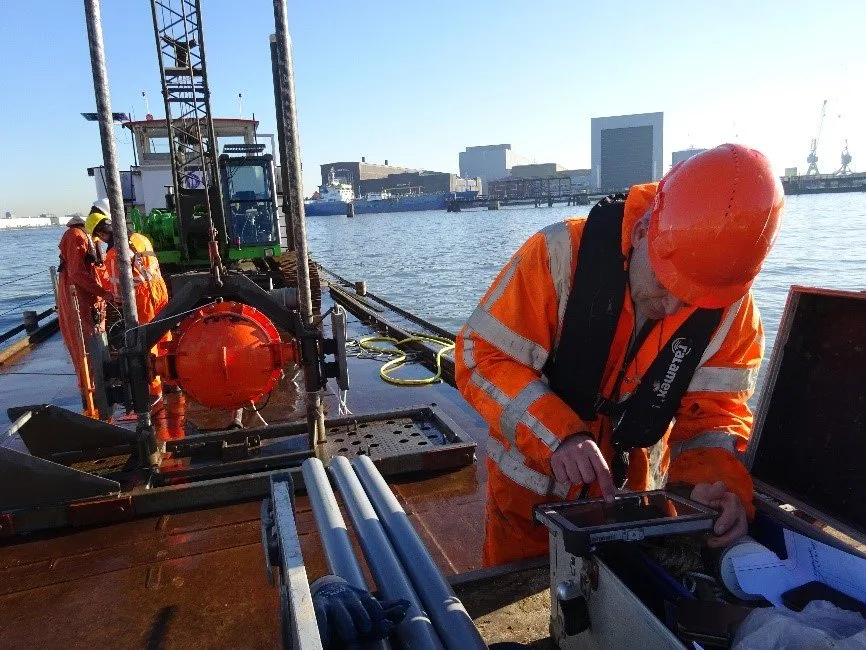
We perform preliminary and detailed soil investigations in accordance with BRL SIKB guidelines and relevant NEN standards. We also conduct environmental sediment investigations for hydraulic infrastructure, dredging projects, and flood defence works.
Our team carries out the fieldwork, evaluates the results, and translates the findings into clear, practical recommendations. One example is the N307 Roggebot–Kampen project, where we supervised the soil and sediment investigations in preparation for a major highway reconstruction.
- Environmental Investigations for Infrastructure and Flood Defences
In flood defence projects, it is not only the engineering design that matters, but also the quality and composition of the materials within and around the dike.
For the Marken Flood Defence Reinforcement, we assessed the reuse potential of excavated soil, enabling materials to be reused responsibly instead of being unnecessarily disposed of.
- Dredging Supervision and Sediment Management
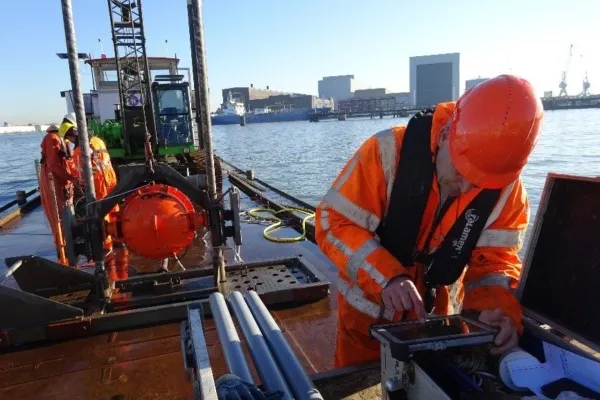
We provide environmental supervision for maintenance dredging at locks, ports, and waterways. We ensure that dredged material is handled, treated, or disposed of in accordance with environmental regulations while safeguarding quality requirements.
This included work at the Algera Lock, where sediment had to be removed from concrete floors and paved surfaces to restore safe navigation.
- Contaminated Site Remediation and Groundwater
Monitoring Industrial sites with a history of contamination require a carefully planned approach. We identify and assess contamination, supervise remediation works, and monitor groundwater quality over the long term.
MH Poly, for example, managed the monitoring programme and biological remediation of groundwater contamination at an industrial site in Dordrecht.
- Preliminary and Historical Site Assessments
Before any drilling or excavation begins, we conduct comprehensive desk studies using historical maps, aerial photographs, and records of previous industrial activities.
This enables us to identify potential environmental risks before investing time and resources in field investigations. The result is an efficient, accurate assessment that fully complies with applicable legislation and environmental regulations.